
Microdevices
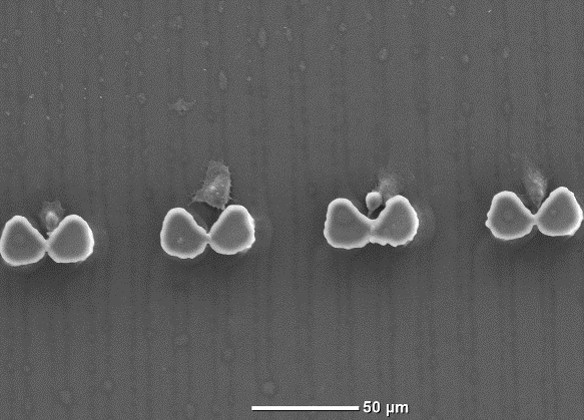
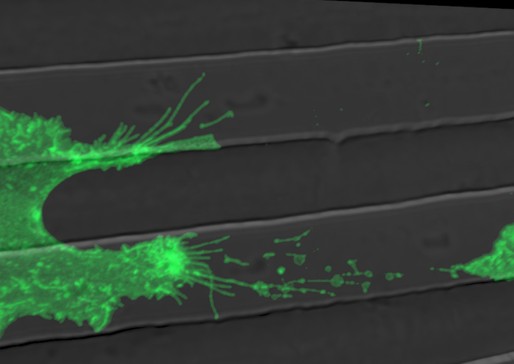
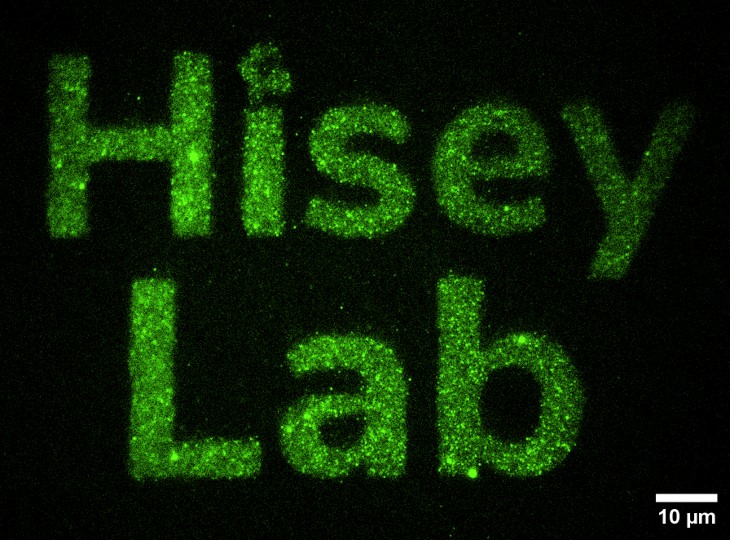
Microfabrication techniques including 3D printing, photolithography, and maskless photopatterning, often in combination with replica molding techniques, are used to fabricate biomedical microdevices ranging from microfluidics to micropatterned polymers and EVs.
Nanomaterials
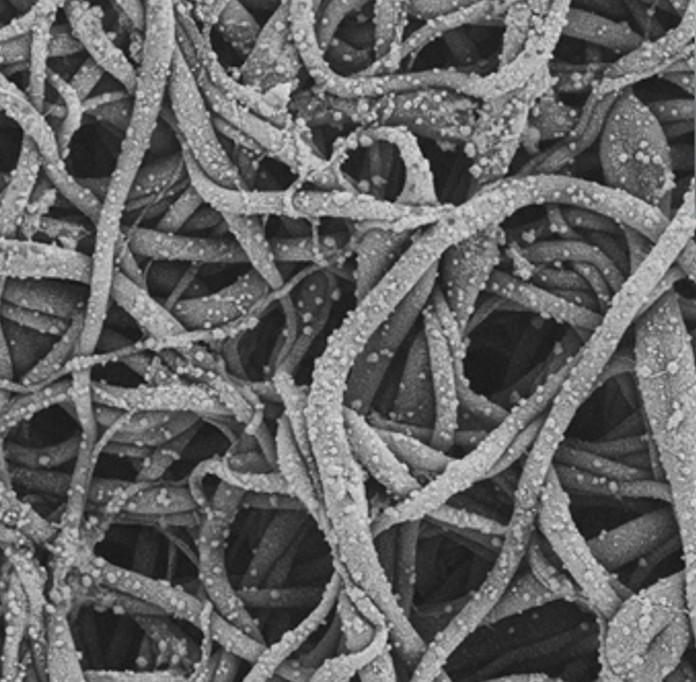
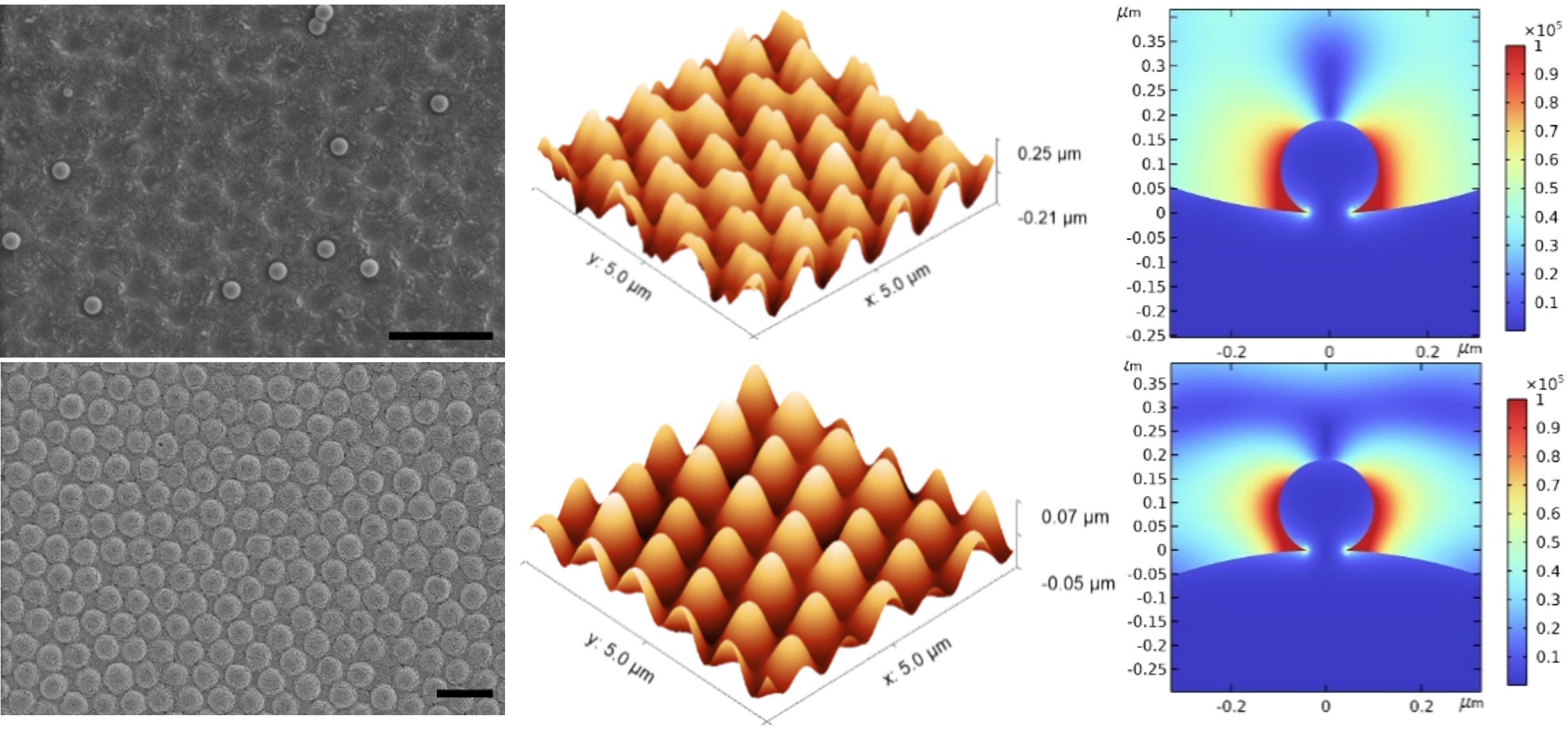
Nanofabrication techniques including e-beam lithography, electrospinning, femtosecond laser ablation, and various deposition and etching approaches are used to fabricate nanostructures ranging from polymer nanofibers to plasmonic particles and surfaces.
Extracellular Vesicles
Extracellular vesicle research techniques including scalable EV production using bioreactors, a diverse EV isolation toolbox (density gradient ultracentrifugation, precipitation, size exclusion chromatography, tangential flow filtration, immunocapture), and characterization (NTA, TEM, immunoblotting) are used and continually optimized.
Artificial Intelligence
From systems design to signal processing, AI/ML has recently been used on both simulated and experimental datasets to improve sample classification, signal preprocessing and visualization, and biosensor design.
 Hisey Lab